Business Name: BeeHive Homes of Bosque Farms
Address: 1935 Bosque Farms Blvd, Bosque Farms, NM 87068
Phone: (505) 357-0505
BeeHive Homes of Bosque Farms
Beehive Homes of Bosque Farms assisted living care is ideal for those who value their independence but require help with some of the activities of daily living. Residents enjoy 24-hour support and caring assistance, private rooms and home-cooked meals. Assisted living should feel like home. Welcome home!
1935 Bosque Farms Blvd, Bosque Farms, NM 87068
Business Hours
Monday thru Sunday: 9:00am to 5:00pm
Facebook: https://www.facebook.com/BeehiveHomesBosqueFarms
Families seldom arrive at senior care decisions in a calm, leisurely way. More often, something breaks the status quo: a fall, a wandering incident, a new dementia diagnosis, or a quiet realization that a partner is burning out from caregiving. You then face a maze of options, each covered in warm marketing language, and yet the real concern is brutally useful: where will this individual be safest, most comfortable, and able to pay for the care they require for the long haul?
Among the most substantial options is in between small, home-like settings and large senior living complexes. Both can use assisted living, memory care, and even respite care. Both can be outstanding or awful. The distinction lies in the details: staff culture, developing style, prices structure, and whether the environment really matches the older grownup's personality and health.
What follows draws from years of strolling households through these decisions, listening to adult kids in tears at kitchen area tables, and hearing residents themselves describe what feels like "home" and what does not.
Two very different designs behind comparable labels
The market labels are confusing. "Assisted living" in a marketing pamphlet can describe anything from a 6‑bed home in a quiet cul‑de‑sac to a 200‑unit complex with dining establishments, salons, and a movie theater. Both might also market memory care or short-term respite care.
In practice, you see 2 broad models.
Small homes, often called residential care homes or board‑and‑care homes, typically house between 4 and 16 residents. They feel and look like a standard home or a modest lodge. Residents may share a living room and table, and staff spend most of their time in the very same common areas as residents. Care tasks are embedded in every day life: somebody folds laundry at the same table where another resident deal with a puzzle.
Large complexes look like small schools. They might combine independent living, assisted living, and memory care under one roofing system or across numerous buildings. A single neighborhood can house 80, 150, even 300 residents. There are scheduled activities, a formal dining room, often multiple dining locations, on‑site treatment, gym, and transport services.
Both types may be certified for assisted living or as memory care facilities, however the lived reality of privacy, expense, and community is really different.
Privacy: what it really seems like day to day
People frequently say, "Mom values her personal privacy," but personal privacy is not one thing. It has layers: visual personal privacy, sound privacy, emotional personal privacy, and autonomy over your schedule.
In little homes, private bed rooms prevail however not ensured. Some provide semi‑private spaces to keep costs down or to meet licensing guidelines for space size. Even in personal spaces, you hear more of the family. The phone ringing at the front desk, the beeping of a microwave, a resident calling out, staff chatting softly as they prepare medications in the kitchen area, all of it travels through a standard residential structure. For some individuals, this feels comfortable. For others, it seems like living in a shared home again after decades of quiet independence.
The benefit is that staff rapidly learn individual rhythms. If a resident treasures a slower start to the early morning, a little group can frequently honor that, within limits. I have seen caregivers in a six‑resident home quietly leave breakfast covered for an hour since they understand Mrs. J hates early mornings and constantly consumes at 9:30. That is a kind of personal privacy too: personal privacy elderly care of routine.
In large complexes, privacy is more architectural. Walls and doors are thicker, corridors are long, and locals retreat to apartments or suites that feel more like little condominiums. Studios, one‑bedrooms, and even two‑bedrooms exist, typically with a personal restroom, kitchenette, and space for personal furniture.

Sound seclusion is much better. A resident can close the door and barely hear the corridor. That matters to somebody who values quiet or has actually lived alone for several years. Yet the structure of the day can be more standardized. Meal times, medication rounds, bathing schedules, and housekeeping typically follow an institutional rhythm. You might have a personal home, however the system anticipates you to comply with the building's schedule more than in an extremely little home, where everything is visible and easily adjusted.

Shared tenancy is another layer. In both settings, the most affordable price points might involve sharing a room. Shared spaces in memory care prevail in both small and large models. The concept of privacy shifts: it becomes more about regard, modesty during care tasks, and staff ability in handling 2 individuals's regimens in one space.
Families in some cases neglect restroom personal privacy. In little homes with shared bathrooms, residents need to stroll into a corridor to reach the toilet or shower. If movement or continence is a problem, this can feel exposed. In bigger complexes, personal restrooms inside the system are more typical, although not universal, which can be decisive for somebody who fiercely values dignity in personal care.
Community: intimacy versus variety
Community is often the deciding factor for citizens themselves, even if families focus first on security and cost. The texture of life is really different in a six‑resident home compared with a 120‑unit complex.
Small homes tend to cultivate intimacy. Personnel and locals understand each other not just by name but by history. After a few weeks, caretakers can frequently inform you which church a resident went to for 40 years or the name of their youth pet. Mealtimes resemble a family table. For residents who feel lost in crowds or have early dementia, the simplicity and predictability feel safe.
The trade‑off is restricted range. There may be a day-to-day activity, a weekly musician, video games at the table, and occasional outings, but there is no calendar loaded with synchronised options. If you do not like bingo and the day's planned event is bingo, you either participate or sit it out. A resident who is physically and cognitively capable of more stimulation may end up being bored.
Large complexes excel at option. On any provided day in a well‑run senior living neighborhood, you may see a physical fitness class at 10, a lecture or conversation group at 11, live music at 2, and a movie screening at night. There might be clubs, from gardening to book clubs to veterans' circles. Residents can find peers with comparable interests, which is harder in a home where the total population may be eight.
Yet big neighborhoods can feel anonymous. An introverted resident may consume alone at the exact same table for weeks unless personnel step in. Individuals with hearing loss can feel overloaded by big, echoing dining rooms. In memory care units inside huge complexes, homeowners still live within a smaller locked location, frequently 20 to 40 people, however the surrounding scale affects staffing, design, and flexibility.
One subtle point: community is not only resident to resident. It is also resident to personnel. In little homes, the same couple of caretakers are present most days. Relationships end up being deeper, which enhances care and psychological security. In large complexes, staff turnover or protection patterns frequently indicate more deals with, more roles, and less connection, although strong management can alleviate that.
Cost structures: why rates vary and what they hide
Families often start trips with a simple question: "What does this expense?" The answer is seldom basic, and it differs in between small homes and big complexes.
In little residential care homes, prices is typically more uncomplicated however less detailed. Many charge a base day-to-day or monthly rate that includes space, board, and a specific level of support. Surcharges may obtain heavy care needs, incontinence supplies, or one‑on‑one guidance, however the menu of line‑items is much shorter. Because the homes are small, operators do not have the same economies of scale in dining services, maintenance, or activities, so the evident simplicity can mask how tight their margins really are.
Large assisted living and memory care complexes typically provide a "lease plus care" design. You pay one amount for the apartment or condo itself, then an extra cost based on a care level assessment. Levels may run from 1 to 5, or comparable, with each level bring a higher regular monthly expense. Some communities use a point system, where each type of support, such as help with bathing or cueing for memory loss, counts toward a total. Others charge à la carte for particular services.
When comparing, 2 concerns matter more than the heading price.
First, how does the neighborhood manage modifications in care requirements over time? A resident might move in at a lighter care level and feel comfortable with the cost, just to see rates rise steeply the list below year as dementia advances or movement decreases. In a large complex, this can be a dive of hundreds or perhaps more than a thousand dollars each month if the level of care increases by numerous steps.
Small homes, particularly those oriented towards high care requirements, often begin at a higher baseline however change rates less considerably as the resident becomes more dependent. From a five‑year viewpoint, the overall expense might converge, but the pattern of increases feels different to families.
Second, what is consisted of in the charges? In a larger community, transport, on‑site therapy, fitness classes, and an abundant activity calendar might be part of the package. In small homes, the monthly rate may include more hands‑on aid with everyday living, but less additionals. You may end up paying independently for checking out physical treatment or specialized programming.
For short‑term stays, such as respite care, pricing likewise diverges. Large complexes may charge an everyday rate that consists of full access to features and activities, beneficial for evaluating whether the setting suits your loved one. Small homes may offer respite as well, but with a concentrate on hands‑on care in a quieter environment, often at a lower day-to-day expense however without the "getaway resort" feel.
Assisted living, memory care, and respite: how the design changes the care experience
The very same care classification can feel really various depending upon the setting.
In assisted living within a big complex, residents typically manage their own standard routines with periodic help. Personnel may cover multiple floorings, each with lots of units. Call pendants and pull cables link locals to caretakers, who get here within a target action time. This works well for individuals who are reasonably stable but need tips, medication management, or help with bathing and dressing.
Assisted living in a small home looks more like continuous distance. Caregivers are always within a couple of actions, since there is only one hallway and one cooking area. Residents who require frequent redirection, cueing, or assist with transfers generally gain from this nearness. The disadvantage is that someone looking for maximal self-reliance may feel more observed, even if the staff is respectful.
Memory care brings the differences into plain relief. In bigger memory care systems, design elements like protected gardens, circular walking courses, color contrast, and visual hints support individuals with dementia. Activity programs can be robust, with specialized staff trained in dementia‑specific engagement. Yet the large variety of citizens can overwhelm someone who is easily overstimulated or who has actually advanced to later stages.
Small memory care homes provide a calmer sensory environment. Less individuals, constant personnel, and a family regular assistance minimize agitation. I have actually seen homeowners who were "exit hunters" in a big unit, pacing hallways and rattling doors, settle into a quieter rhythm in a small home where they can safely walk the same brief course from bedroom to cooking area and back without experiencing big groups or complicated corridors.
Respite care is often families' very first direct experience with senior living. A short remain in a large complex can seem like a trial run for irreversible assisted living. The person takes pleasure in activities, meals, and social contact, while the family caregiver rests. In little homes, respite tends to look like an extensive care break: the top priority is security, medications, and individual care, not a packed activity schedule. Each fits, depending on what the caregiver and the older adult need from that temporary arrangement.
Safety and supervision: exposure versus systems
Safety is non‑negotiable, particularly in memory care and higher levels of elderly care. The method security is achieved, nevertheless, varies substantially in between little homes and big complexes.
In a little home, safety relies greatly on presence and familiarity. Personnel can normally see or hear citizens from a lot of areas in your house. They see subtle changes in gait, hunger, or state of mind rapidly, since they see the very same few faces every day. Elopement threat in memory care is managed with locked doors, alarms, and staff watchfulness, however the physical perimeter is small.
In bigger neighborhoods, safety is more system‑driven. There are gain access to control systems, sign‑in requirements, call systems in rooms, cameras in common areas, and established procedures. For high‑risk residents, there might be safe and secure memory care systems within the larger structure. Personnel might not know every resident deeply, especially in mixed levels of care, but structured handoff notes, electronic charting, and care conferences aim to compensate.
Neither technique is inherently exceptional. A strong little home with steady personnel can provide remarkable security through mindful observation. A well‑run large community can handle complex health circumstances with on‑site nurses, routine physician visits, and much faster access to emergency situation action. Problems develop when a setting's strengths do not match the resident's threats: for instance, a really spontaneous wanderer in a vast building, or a clinically vulnerable person in a tiny home without robust on‑site scientific support.
When character and history matter more than square footage
The best positioning choices appreciate the older adult's life story. 2 individuals with practically identical care needs can thrive in completely various settings based upon personality.
Someone who spent 40 years in a tight‑knit neighborhood or big family, where doors were left open and individuals constantly visited, frequently adapts perfectly to a small, shared environment. The smell of cooking in a neighboring kitchen area, the sight of a caretaker folding towels at the table, these hints resonate with their concept of home. Even with dementia, that deep familiarity can reduce anxiety.
By contrast, a retired executive, teacher, or specialist who is utilized to privacy, control over their schedule, and option in how they spend their day may do better in a bigger complex. They can maintain a personal condo‑like area, take part in particular interest groups, and prevent activities that feel infantilizing. The ability to pull away, then re‑engage on their own terms, supports their sense of identity.
Mental health history matters too. Individuals with long‑standing stress and anxiety might feel safer in a smaller sized, predictable circle of faces. Those with depression sometimes gain from the stimulation and range of a larger neighborhood. Yet there are exceptions: an extremely shy individual might feel crushed by the social expectations of a resort‑style complex, while an extremely extroverted person may discover a six‑resident home too quiet to fulfill their social needs.
A clear comparison: where the models generally differ
To ground these concepts, it assists to highlight a couple of practical contrasts that households often weigh. The specifics differ by location and operator, but this pattern prevails:
Small homes normally use stronger day‑to‑day guidance and more spontaneous, customized attention, while big complexes offer more structured programming and amenities. Large communities typically provide more privacy in terms of private homes and sound isolation, whereas little homes supply more personal privacy of regular, shaped carefully to each resident's habits. Cost in small homes often begins at a mid‑to‑high level however might increase more decently with time, while large complexes sometimes begin lower for light care however rise considerably as care levels increase. Social life in big settings highlights range and option amongst lots of peers, while little homes stress depth of relationships with a little group of homeowners and staff.Those easy contrasts are not absolute rules, but they act as a beginning frame when families feel overwhelmed.
Questions that sharpen the decision
Many households tour numerous communities and come away with little more than a blur of sales brochures. A handful of concentrated questions can reveal how each setting actually runs below the surface:
How does your staff‑to‑resident ratio change across day, evening, and graveyard shift, and what type of personnel are on website overnight? When a resident's care needs boost, how do you choose rates changes, and how typically are those reassessed? Can you explain a current circumstance where a resident's habits or medical condition altered suddenly, and how your group managed it? How do you keep households notified about little however crucial modifications, such as hunger, sleep, or mood? For homeowners with dementia, how do you stabilize flexibility of movement with security, and what specific training do staff receive in memory care?The responses to these concerns, and the way in which personnel address them, typically reveal more than any marketing materials about whether the neighborhood deals with elderly care as a business deal or a long‑term relationship.
Planning beyond the very first crisis
The first placement frequently takes place under time pressure. A hospital discharge planner says, "We can not send your father home safely," or an exhausted spouse admits she can not handle another night of roaming and agitation. In that minute, the priority is immediate safety and relief.
Yet senior care choices have long tails. A positioning that works splendidly for six months can end up being unworkable two years later on as finances tighten or dementia progresses. When weighing little homes versus big complexes, it deserves asking 3 longer‑range questions, even if they feel premature.
The initially is monetary sustainability. If the person lives another 5 to 10 years, can they realistically afford this setting, presuming modest annual rate boosts and some escalation in care requirements? Will they ultimately need to transition to a Medicaid‑funded option, and if so, will the current community accept that, or would a relocation be required?
The second is clinical trajectory. If your loved one has a progressive condition such as Parkinson's, congestive heart failure, or moderate Alzheimer's illness, what level of hands‑on assistance will they likely require in three to five years? Does the chosen neighborhood have the capability and licensing to offer that, or is it mostly designed for lighter‑care residents?
The third is emotional connection. Several moves are disruptive, especially for someone with dementia. A small home that can bend from assisted living into high‑needs memory care might lower future transitions. On the other hand, a large campus that offers a number of care levels under one roof may enable a resident to stay in the exact same general neighborhood even if they should alter units internally.
Thinking beyond the crisis does not decrease the urgency of immediate security; it makes sure today's solution does not produce tomorrow's emergency.
The role of respite and trial stays
Respite care is a valuable but underused tool when comparing little and large settings. A one or two‑week stay in each model, spaced months apart, can reveal even more than a one‑hour tour.
In a large neighborhood, observe whether your member of the family engages with activities, makes casual social connections, and utilizes their personal area in a healthy way. Do they go back to their home to rest between occasions, or do they separate there and prevent the public areas completely? Personnel can tell you, and their observations are often honest when asked directly.
In a small home, take note of how rapidly personnel pick up on your loved one's regimens and quirks. Do they call you after a couple of days with particular remarks such as, "He chooses his coffee black" or "She unwinds when we placed on symphonic music in the afternoon"? That level of detail signals the depth of attention that will characterize long‑term care.
Respite stays likewise offer families a break from caregiving, enabling them to evaluate their own tension and capacity. It prevails for a spouse to say, after a two‑week respite, "I had no idea how exhausted I was." That realization can move the household's openness to a longer‑term placement.
Accepting trade offs and going for "sufficient"
There is no perfect senior living alternative. Every choice includes trade offs among personal privacy, expense, and community. A little home that uses warm, intimate care might do not have robust on‑site rehab services. A big campus that provides personal privacy and a rich social calendar may feel overwhelming or impersonal to someone with advancing dementia.
The goal is not to discover a flawless option, however to line up the setting with what matters most to the particular individual at this minute in their life, with an eye towards the likely future. That requires honest discussions about worths: self-respect in personal care, autonomy, cultural or religious preferences, tolerance for shared spaces, and financial limits.
Families who browse this well frequently embrace a frame of mind of "good enough for now, with room to adapt." They accept that the very first option can be reviewed if reality diverges from expectations, and they keep communication open with personnel instead of assuming any problem is a permanent feature.
Senior living, whether in a little home or a large complex, is not just a product to be acquired. It is a living plan, a network of relationships, and a collaboration in care. When you examine choices through that lens, the pamphlets fade into the background, and the real choice points become clearer.
BeeHive Homes of Bosque Farms provides assisted living care
BeeHive Homes of Bosque Farms provides memory care services
BeeHive Homes of Bosque Farms provides respite care services
BeeHive Homes of Bosque Farms supports assistance with bathing and grooming
BeeHive Homes of Bosque Farms offers private bedrooms with private bathrooms
BeeHive Homes of Bosque Farms provides medication monitoring and documentation
BeeHive Homes of Bosque Farms serves dietitian-approved meals
BeeHive Homes of Bosque Farms provides housekeeping services
BeeHive Homes of Bosque Farms provides laundry services
BeeHive Homes of Bosque Farms offers community dining and social engagement activities
BeeHive Homes of Bosque Farms features life enrichment activities
BeeHive Homes of Bosque Farms supports personal care assistance during meals and daily routines
BeeHive Homes of Bosque Farms promotes frequent physical and mental exercise opportunities
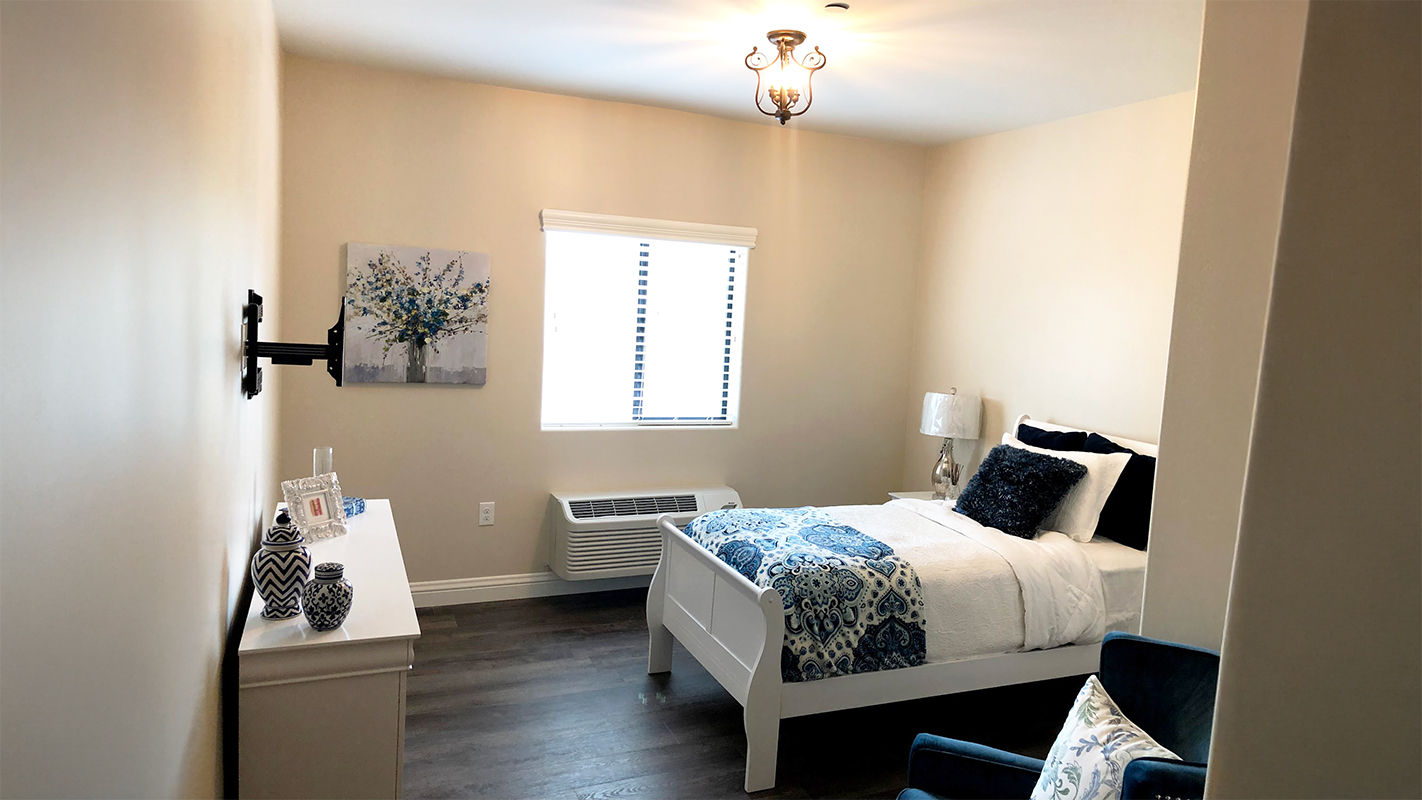
BeeHive Homes of Bosque Farms provides a home-like residential environment
BeeHive Homes of Bosque Farms creates customized care plans as residents’ needs change
BeeHive Homes of Bosque Farms assesses individual resident care needs
BeeHive Homes of Bosque Farms accepts private pay and long-term care insurance
BeeHive Homes of Bosque Farms assists qualified veterans with Aid and Attendance benefits
BeeHive Homes of Bosque Farms encourages meaningful resident-to-staff relationships
BeeHive Homes of Bosque Farms delivers compassionate, attentive senior care focused on dignity and comfort
BeeHive Homes of Bosque Farms has a phone number of (505) 357-0505
BeeHive Homes of Bosque Farms has an address of 1935 Bosque Farms Blvd, Bosque Farms, NM 87068
BeeHive Homes of Bosque Farms has a website https://beehivehomes.com/locations/bosque-farms/
BeeHive Homes of Bosque Farms has Google Maps listing https://maps.app.goo.gl/VeA8p86Gp4TSGBN7A
BeeHive Homes of Bosque Farms has Facebook page https://www.facebook.com/BeehiveHomesBosqueFarms
BeeHive Homes of Bosque Farms won Top Assisted Living Homes 2025
BeeHive Homes of Bosque Farms earned Best Customer Service Award 2024
BeeHive Homes of Bosque Farms placed 1st for New Mexico Senior Living Communities 2025
People Also Ask about BeeHive Homes of Bosque Farms
What is the monthly room rate at BeeHive Homes of Bosque Farms?
Monthly room rates are based on each resident’s individual care needs. Before move-in, we complete an initial evaluation to better understand the level of support, assistance, and daily care that may be needed. This helps us provide a clear monthly rate that reflects the resident’s personalized care plan. We believe families deserve honest conversations and transparent pricing, with no hidden costs or surprise fees.
Can residents stay at BeeHive Homes of Bosque Farms through the end of life?
In many cases, yes. Our goal is to help residents remain in the comfort of a familiar, homelike setting for as long as their needs can be safely and appropriately met. There may be exceptions if a resident requires a higher level of skilled nursing care, ongoing medical treatment beyond assisted living services, or if safety concerns arise. When those moments come, we work with families, physicians, and care partners to help guide the next step with compassion and clarity.
Does BeeHive Homes of Bosque Farms have a nurse on staff?
BeeHive Homes of Bosque Farms does not have a full-time nurse living on-site, but we do have access to a consulting nurse. If a resident needs additional nursing services, a physician may order home health services to come directly into the home. This allows residents to receive supportive care in a comfortable residential environment while still having access to outside clinical services when appropriate.
What are the visiting hours at BeeHive Homes of Bosque Farms?
We welcome family visits and understand how important it is for residents to stay connected with the people they love. Visiting hours are flexible and are adjusted around the needs of each resident and family. We simply ask that visits be respectful of residents’ routines, rest, meals, and the peaceful rhythm of the home — not too early, not too late, and always centered on what is best for the resident.
Are couples’ rooms available at BeeHive Homes of Bosque Farms?
Yes, BeeHive Homes of Bosque Farms may have rooms designed to accommodate couples, depending on availability. For many couples, staying together while receiving the right level of assisted living support can bring comfort, familiarity, and peace of mind. We encourage families to ask about current room options, availability, and how care plans can be personalized for each spouse.
What makes BeeHive Homes of Bosque Farms different from larger assisted living facilities near Albuquerque?
BeeHive Homes of Bosque Farms offers care in a smaller, residential-style setting rather than a large institutional facility. Nestled in the quiet village of Bosque Farms, just south of Albuquerque, our homes are designed to feel personal, peaceful, and familiar. Residents receive support with daily needs in a setting where caregivers can truly get to know their routines, preferences, and personalities. For families looking for assisted living near Albuquerque with a more intimate, homelike feel, BeeHive Homes of Bosque Farms offers a comforting alternative.
Is BeeHive Homes of Bosque Farms a good option for families in Los Lunas, Peralta, Belen, and Albuquerque?
Yes. BeeHive Homes of Bosque Farms is conveniently located in Valencia County and serves families throughout Bosque Farms, Los Lunas, Peralta, Belen, and the greater Albuquerque area. Its location on Bosque Farms Boulevard offers families a peaceful village setting while still being close enough for regular visits, appointments, and family involvement. For many families, that balance of quiet surroundings and nearby access makes BeeHive Homes of Bosque Farms a natural choice for assisted living and memory care.
Where is BeeHive Homes of Bosque Farms located?
BeeHive Homes of Bosque Farms is conveniently located at 1935 Bosque Farms Blvd, Bosque Farms, NM 87068. You can easily find directions on Google Maps or call at (505) 357-0505 Monday through Sunday 9:00am to 5:00pm
How can I contact BeeHive Homes of Bosque Farms?
You can contact BeeHive Homes of Bosque Farms by phone at: (505) 357-0505, visit their website at https://beehivehomes.com/locations/bosque-farms/ or connect on social media via Facebook